What to Look for in a Home Inspection Report (and What's Actually Worth Negotiating)
Veronica Peter September 6, 2026
Veronica Peter September 6, 2026
Few documents cause more first-time buyer anxiety than a home inspection report. They're often long, technical, and photo-heavy, listing dozens of items and it's easy to feel like every flagged item is a red flag. In reality, most inspection reports include a mix of serious issues, moderate maintenance items, and minor notes that are simply part of owning any home. Here's how to read one with a clearer eye.
Most general home inspection reports move room by room and system by system, covering:
Not everything in a report carries equal weight. It generally helps to sort findings into three buckets:
Safety issues. Things like exposed wiring, gas leaks, missing smoke detectors, or a malfunctioning water heater pressure valve. These typically warrant attention regardless of the rest of the negotiation.
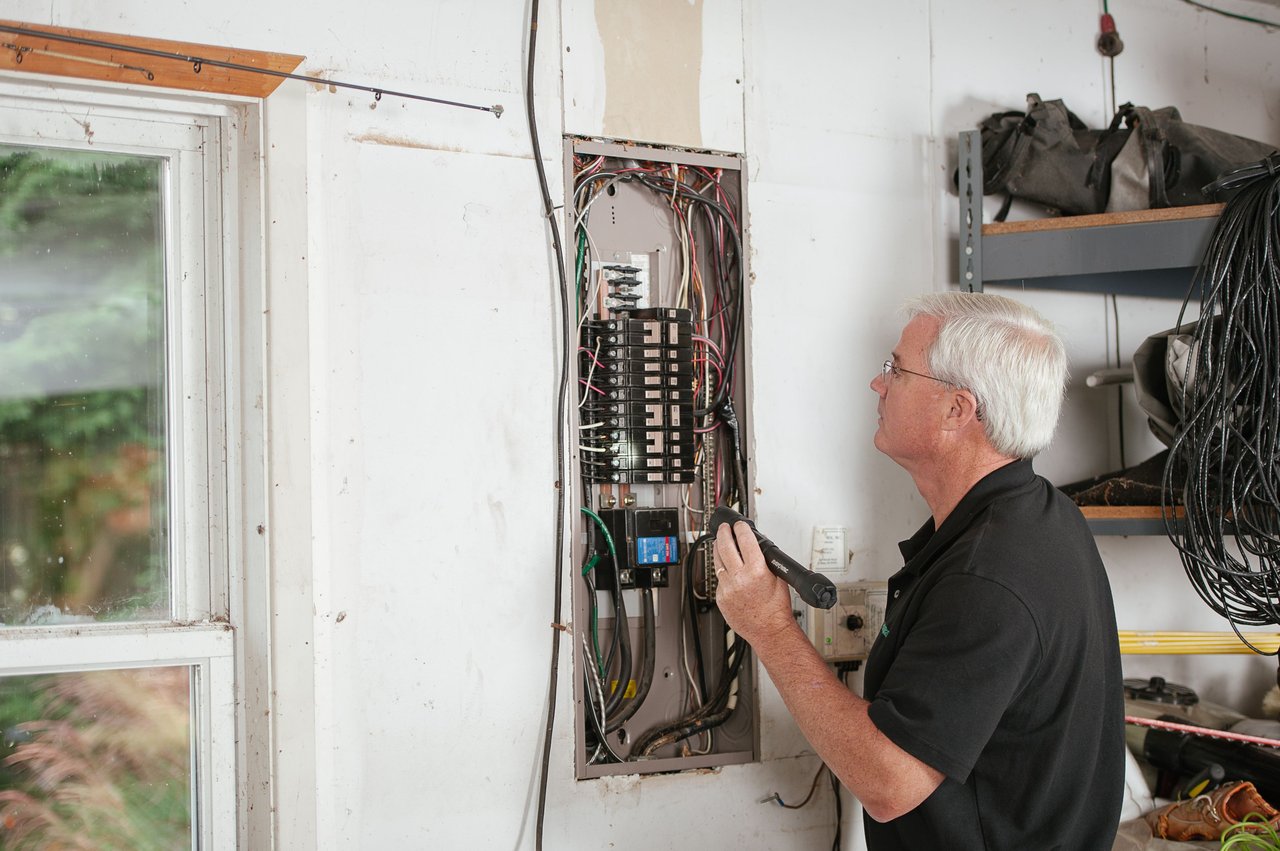
Major systems and structural concerns. Roof condition nearing end of life, foundation cracking, outdated electrical panels (like older fuse boxes or certain recalled panel brands), or significant plumbing issues. These are often the items worth further evaluation by a specialist, and sometimes worth negotiating credits or repairs for.
Maintenance items and cosmetic notes. Things like minor caulking needs, a slow drain, worn weatherstripping, or small drywall cracks. Nearly every home, including new construction, will have a list like this — it's rarely a reason for concern on its own.
Depending on what the general inspection reveals (or depending on the property type), it's often worth bringing in a specialist for:
In a competitive market, over-negotiating minor items after inspection can sometimes cost a buyer the deal entirely, particularly if a seller has backup offers. It's often more effective to focus requests on genuine, material issues rather than compiling every item on the report into a demand list. A good agent can help you calibrate which items are worth raising versus which are better left alone.
A home inspection report isn't meant to scare you out of a purchase , it's meant to give you more information so you can make a clear decision. Your agent should be able to review all of the inspection reports with you to point out major issues and address the smaller ones.

It isn't just earthquakes you need to care about.


Know the difference before you write an offer

Getting your offer accepted feels like the finish line - but escrow is where the real work begins.

Know your numbers before you fall in love!

Here is how they actually compare

What makes a school good?
As a Bay Area native and San Jose State graduate, Veronica has leveraged her Bachelor’s degree in Business and experience in sales to consistently outperform the market and generate the most profitable results for her clients. With a commitment to excellence and a deeply rooted passion for real estate.
Get In Touch With Veronica Peter

900 Main St., #101 Pleasanton, CA 94566